Source Waterproof Kids Smart Watch for School, Travel, and Play
Explore 30 waterproof kids smart watch options featuring Bluetooth, GPS, and SOS support. Buyers can compare models like Gator 4 and YS-S2 with varying display types and materials to find the right device for school, travel, and outdoor play; compare the available evidence and request quotations based on your requirements.
Key considerations
Products List






Comprehensive Sourcing Guide
Waterproof Kids Smart Watch Sourcing Guide
Sourcing waterproof kids smart watches requires balancing durability with safety, ensuring the device withstands active play while protecting young users from potential hazards. Buyers must prioritize materials that are non-toxic and hypoallergenic, as children often put devices in their mouths or sweat heavily during outdoor activities. The observed market includes models with silicone and rubber bands, which offer flexibility and comfort, but verification of material safety certifications is essential to prevent skin irritation or chemical exposure.
Additionally, the waterproof rating must be clearly defined to match the intended use case, whether for handwashing, rain exposure, or swimming. Many listings highlight water resistance as a key feature, but buyers should distinguish between splash-proof and fully submersible capabilities. Understanding the specific IP rating or depth tolerance helps in selecting the right product for different lifestyles, ensuring that the watch remains functional and safe even after accidental drops in water or prolonged exposure to moisture during sports.
Product Scope and Observed Listing Signals
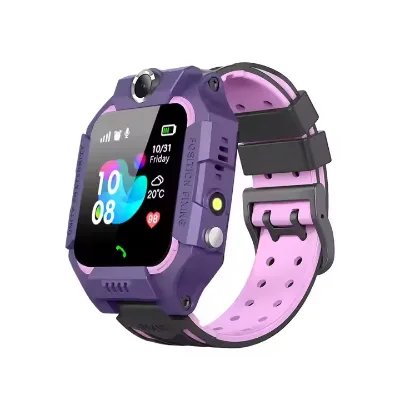
The current market landscape for children’s smartwatches features a variety of form factors, including traditional wrist watches and bracelet-style designs. Observed listings indicate models such as the Gator series and YS series, which often incorporate TFT, OLED, or AMOLED displays to provide clear visibility in various lighting conditions. These devices typically support communication features like Bluetooth and GSM connectivity, allowing parents to maintain contact with their children through calls and messages, which is a primary driver for purchase decisions in this category.
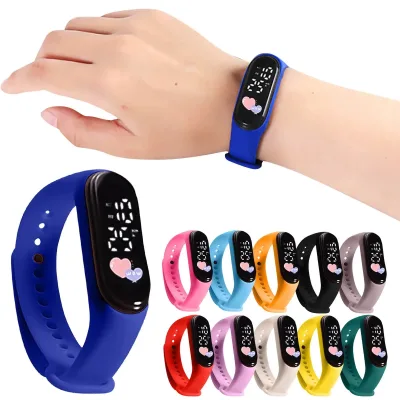
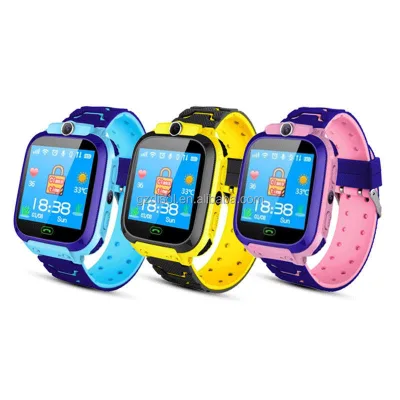
Color options and customization are significant selling points, with black, pink, and blue being common choices to appeal to diverse preferences. Some products offer specific design themes, such as children’s watch styles, which may include playful aesthetics or durable casings. Buyers should note that while many listings mention features like GPS navigation and SOS buttons, the actual implementation and accuracy can vary. It is crucial to verify that the device supports the necessary network frequencies for the target region to ensure reliable connectivity and location tracking services.
Technical Specifications to Verify
When evaluating technical specifications, screen resolution and display type are critical for user experience and battery life. Models with 128x128 resolution or higher ensure that text and icons are legible for children, while OLED and AMOLED screens offer better contrast and energy efficiency. Buyers should also check the RAM and storage capacity, as these impact the device’s ability to run apps smoothly and store contacts or messages. A minimum of 8MB RAM is often cited, but higher specifications may be needed for more advanced features like video calling or game applications.
Connectivity standards, including GSM frequency bands such as 850, 900, 1800, and 1900 MHz, must align with local carrier networks to avoid service issues. The presence of an SOS button is a vital safety feature, requiring immediate verification of its responsiveness and ease of use for children. Additionally, dimensions and weight should be considered to ensure comfort for smaller wrists; for instance, some models measure around 41.8x55x16.7mm, while others are larger. Verifying these physical attributes helps in selecting a device that is both functional and comfortable for daily wear.
Compliance and Safety Documentation
Safety compliance is non-negotiable for children’s electronics, requiring strict adherence to international standards for electrical safety and chemical composition. Buyers must request documentation proving that the device meets relevant regulations for low voltage and battery safety, such as those preventing overheating or leakage. Since children may chew on the watch band, verifying that the silicone or rubber materials are free from harmful substances like phthalates and lead is essential. Certifications from recognized testing laboratories provide assurance that the product has undergone rigorous safety evaluations.
Furthermore, data privacy compliance is increasingly important as smartwatches collect location and communication data. Buyers should ensure that the manufacturer has clear privacy policies and secure data transmission protocols to protect children’s information. Documentation regarding electromagnetic radiation exposure (SAR values) should also be reviewed to ensure the device operates within safe limits for prolonged use. Requesting these documents before placing orders helps mitigate legal risks and builds trust with end-users who are concerned about their children’s safety and privacy.
Cost Drivers and Commercial Terms
Cost structures for kids’ smartwatches are influenced by component quality, feature sets, and packaging requirements. Devices with advanced features like GPS, multiple connectivity options, and high-quality displays typically command higher prices. Buyers should analyze the bill of materials to understand how costs are distributed, particularly for chips, batteries, and waterproofing seals. Customization options, such as branded packaging or specific colorways, can also impact the final unit cost, so it is important to clarify these requirements early in the negotiation process to avoid unexpected charges.
Minimum order quantities (MOQs) and payment terms vary significantly among suppliers, affecting cash flow and inventory management. While some suppliers may offer low MOQs for trial orders, bulk purchases often yield better pricing. Buyers should negotiate clear terms regarding shipping, insurance, and return policies for defective units. Understanding the total landed cost, including tariffs and logistics, is crucial for accurate margin calculation. Establishing a transparent commercial agreement helps in maintaining a healthy supplier relationship and ensures consistent supply without hidden fees.
Supplier Qualification and Quality Control
Supplier qualification involves assessing manufacturing capabilities, quality management systems, and past performance. Buyers should verify that the supplier has experience in producing children’s electronics and adheres to strict quality control processes. Factory audits can reveal insights into production lines, testing equipment, and employee training, which are indicative of product consistency. Suppliers with ISO certifications or similar quality standards are generally more reliable, as they have established procedures for defect prevention and continuous improvement.
Quality control checks should include both pre-production samples and in-line inspections during mass production. Key areas to inspect include waterproof sealing integrity, button functionality, and display quality. Buyers should define acceptable defect rates and establish protocols for handling non-conforming products. Regular communication with the supplier regarding quality issues helps in identifying and resolving problems early. Building a strong partnership based on mutual trust and clear quality expectations ensures that the final products meet the required standards for safety and performance.
Long-Term Procurement Checks
Long-term procurement success depends on continuous monitoring of product performance and supplier reliability. Buyers should gather feedback from end-users to identify any recurring issues, such as battery degradation or connectivity problems, and address them with the supplier. Regular reviews of warranty claims and return rates provide valuable data on product durability and quality trends. Maintaining open lines of communication allows for proactive problem-solving and ensures that any necessary design improvements are implemented in future batches.
Additionally, staying updated on regulatory changes and market trends is essential for maintaining compliance and competitiveness. Buyers should periodically re-evaluate supplier qualifications and explore new options if performance declines. Developing a robust supply chain strategy, including backup suppliers and inventory buffers, helps mitigate risks associated with disruptions. By focusing on long-term relationships and continuous improvement, buyers can ensure a steady supply of high-quality waterproof kids’ smartwatches that meet evolving consumer needs and safety standards.
FAQs
What display types are available for the Gator kids watch?
The Gator kids watch features multiple display options including TFT, OLED, and Amoled screens. These displays support high-resolution visuals with a 128 by 128 pixel count. Buyers can select specific models like Gator 4 or Gator 2 based on their preferred screen technology and visual clarity requirements for children.
Which materials are used to construct these waterproof smart watches?
Manufacturers utilize Silicone, Plastic, and Rubber materials to build these durable devices. The choice of material ensures flexibility and comfort for children while maintaining structural integrity. These materials contribute to the water-resistant capabilities required for active kids who need reliable protection during daily wear and play.
Can buyers request customization for the smart watch packaging?
Yes, customization is available for the product packaging options. Suppliers offer choices such as Color Boxes, Gift Boxes, or standard cartons depending on order volume. This flexibility allows buyers to tailor the presentation of the Gator brand watches to meet specific retail or promotional needs without compromising product safety.
What are the standard dimensions for the Gator 4 watch model?
The Gator 4 watch model adheres to a standard size of 4.5 by 5.5 by 2 centimeters. Another variant, the Gator4 watch, measures 41.8 by 55 by 16.7 millimeters. These precise dimensions ensure a comfortable fit on a child's wrist while housing necessary components like GPS and Bluetooth modules effectively.
How does the SOS button function on these communication devices?
The SOS button feature is supported on specific models to enhance child safety. This function allows for immediate emergency communication when pressed. Combined with GSM frequency support across 850, 900, 1800, and 1900 MHz bands, it ensures reliable connectivity for critical alerts in various regions where the watch is deployed.
What color options are available for the waterproof smart watch?
Buyers can choose from Black, Pink, and Blue color options for the device. These vibrant colors appeal to children and allow for personalization. The availability of multiple styles ensures that retailers can stock a variety of options to match different customer preferences and seasonal trends in the kids wearables market.
Where are these smart watches manufactured and what is the origin?
These devices originate from Shenzhen, China, or generally from China as a manufacturing hub. The production location supports efficient supply chains for global distribution. Buyers sourcing from this region benefit from established manufacturing capabilities for electronic wearables with features like 4G and GPS navigation integrated into the design.